Night of the Living Dead (1968)
“They’re coming to get you…”
By Midnight Macabre • Published
“They’re coming to get you…”
By Midnight Macabre • Published
When the dead rise, the real terror is discovering how quickly the living unravel. George A. Romero’s Night of the Living Dead didn’t merely ignite a genre — it rewrote the grammar of fear, reshaping horror into a mirror held mercilessly against American society. Before 1968, zombies were folkloric curiosities. After 1968, they became apocalypse made flesh.
Original trailer for Night of the Living Dead (1968)
There are films that follow genre rules, films that bend them, and then there is Night of the Living Dead — a work that quietly detonated every assumption about what horror could be. Where earlier undead tales relied on mysticism and shadowy exoticism, Romero grounded his nightmares in the American countryside, in living rooms, kitchens, and basements. The supernatural gave way to the sociological.
Your observation about clichés is essential. A cliché in careless hands is hollow. But in the hands of someone like Walter Hill, or Romero here, the familiar becomes the vessel for revelation. If 48 Hrs. revitalized the buddy-cop blueprint, then Night of the Living Dead forged an entirely new one from bone and panic.
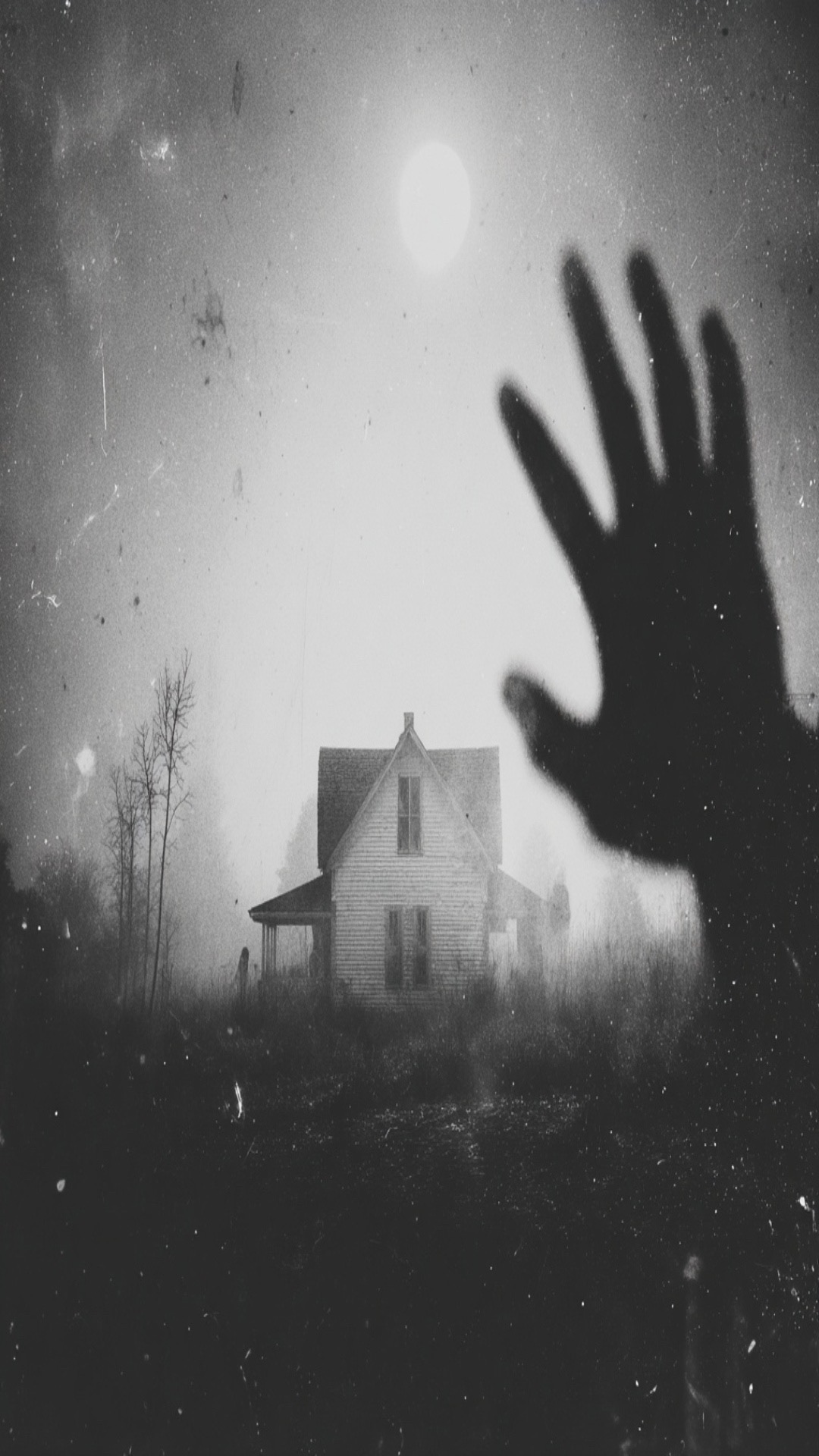
The farmhouse at the film’s center is painfully ordinary — a setting scrubbed of gothic theatrics. Its plainness becomes a crucible. News bulletins crackle with contradictory information. Makeshift barricades fail. Arguments outpace solutions. And through it all, the dead move slowly, patiently, inevitably, as if time itself were decaying.
Duane Jones anchors the film with quiet, authoritative resolve. As Ben, he is capable, rational, and deeply human — which makes the film’s devastating final minutes all the more harrowing. Without speechifying or melodrama, Jones exposes the collision between survival and a society conditioned to misrecognize Blackness as threat.
The zombies are terrifying, yes — but they are mirrors. Every moment of panic, every fracture among the survivors, every selfish decision reveals a deeper horror: how quickly community collapses when order dissolves.
At sunrise, after surviving the impossible, Ben emerges cautiously from the basement. A posse scans the area. A rifle cracks. Ben falls. No hesitation. No recognition. No chance. His body is dragged with hooks, photographed, burned. These images unmistakably echo American lynching photographs — a cultural wound woven into the film’s DNA.
This is where Romero’s revisionism becomes an indictment. The dead are frightening; the living are fatal.
Romero’s black-and-white photography strips horror to its skeleton. No glamour. No cushion. News broadcasts stutter with panic, their dispassionate tone failing to stabilize anything. Silence becomes a weapon; ambient crackle becomes prophecy. The film feels less like fiction and more like a recovered document from a civilization already gone.
A masterpiece of American horror, a foundational slab of revisionist filmmaking, and the birth of the modern zombie. Night of the Living Dead didn’t just inspire a genre — it infected culture, spawning countless imitators yet never being eclipsed. Fear, as we know it in cinema, begins here.
Related Reviews: The Exorcist (1973) • Halloween (1978) • Nosferatu (1922)